

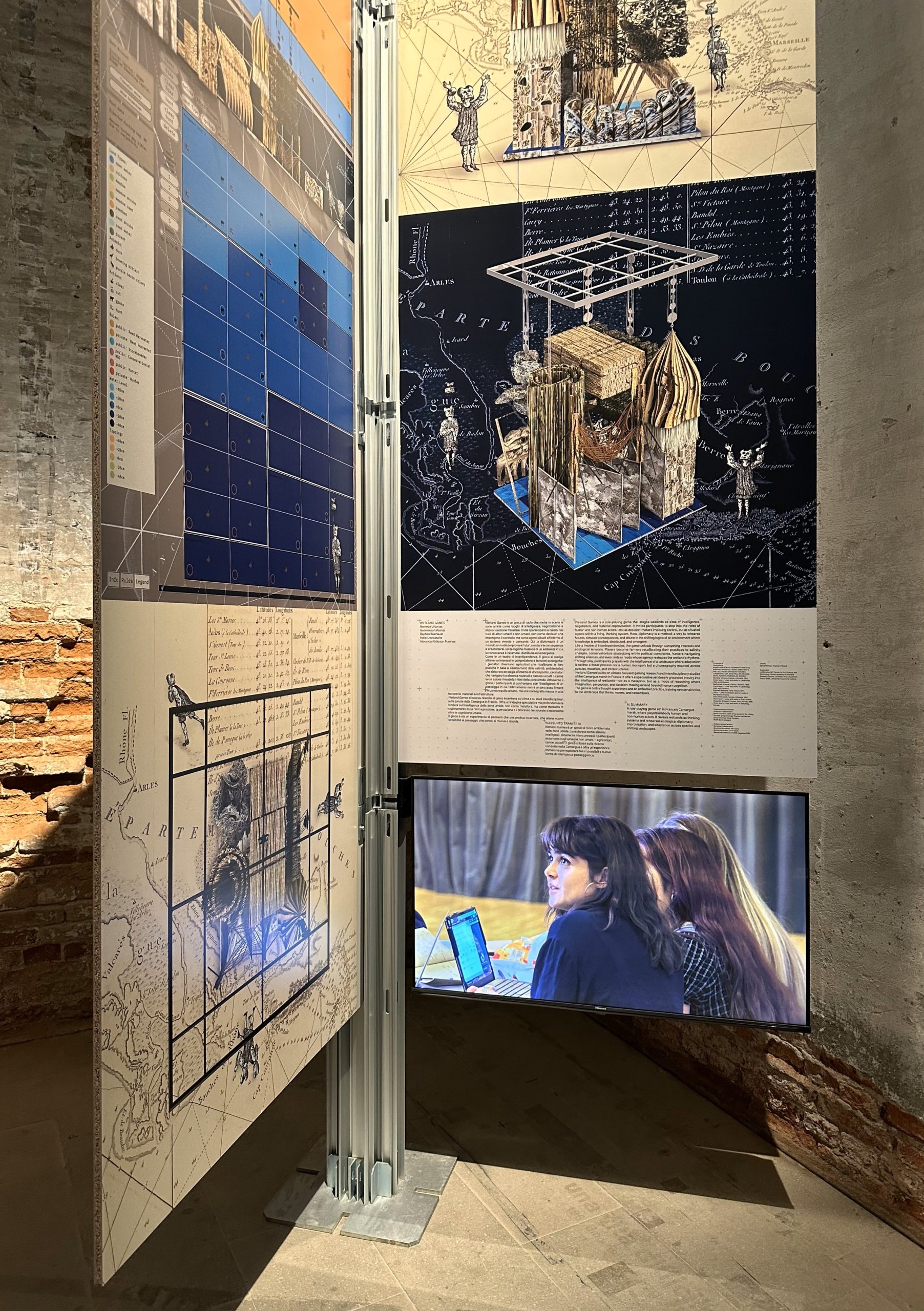
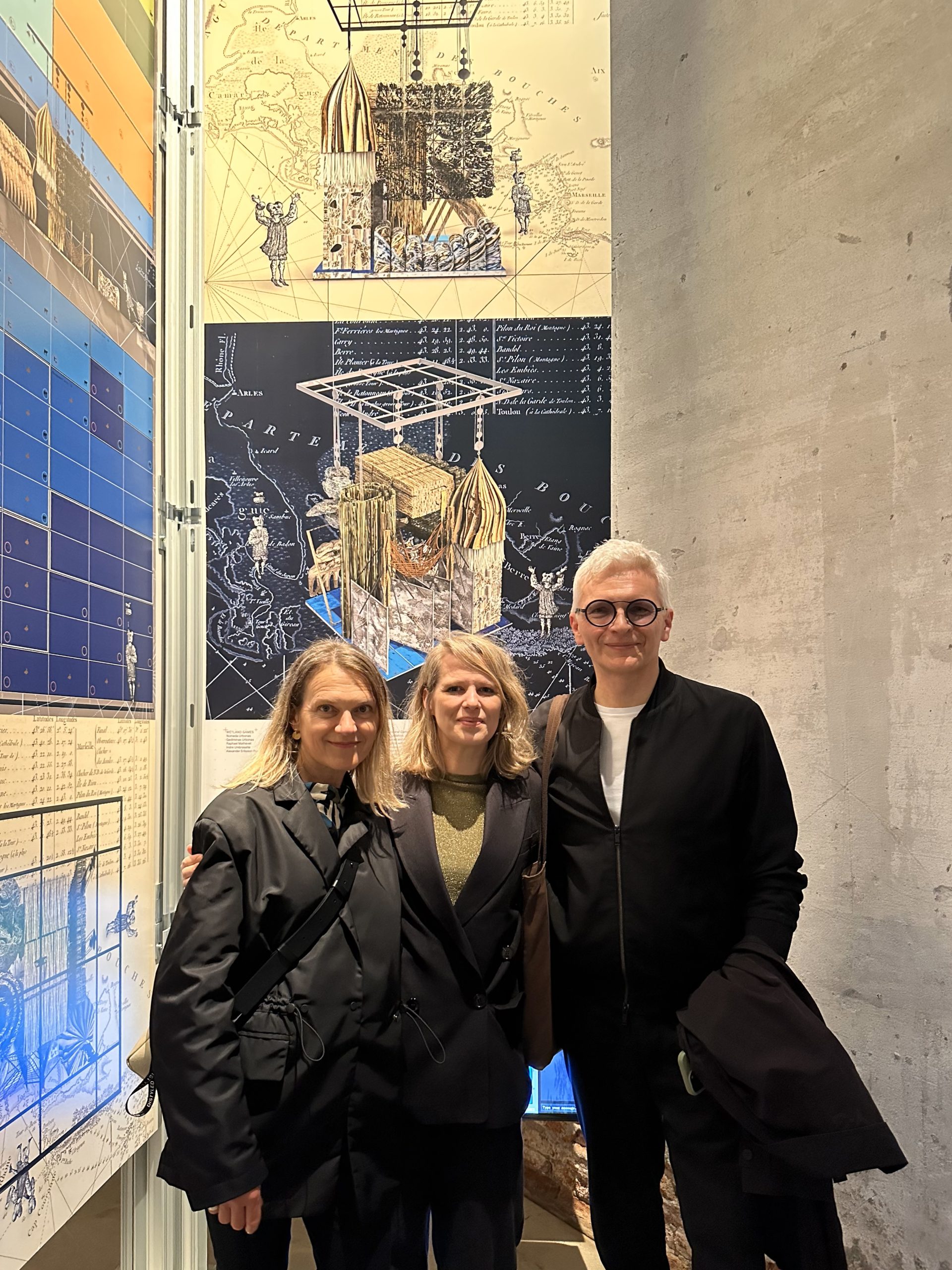
Wetland Games: Activating Pluriversal Perspectives is part the 19TH International Architecture Exhibition—La Biennale di Venezia 2025, curated by Carlo Ratti. Presented as a stage set for a role-playing game and an animated film, Wetland Games is created by Nomeda & Gediminas Urbonas (artistic research), Raphael Mathevet (scientific research), Indrė Umbrasaitė (design), Alexander Eriksson Furunes (architecture), Terry T Kang and Thomas Harriett (programming), with contribution by Dimitrios Moutafidis, Samuel Michaelsson, Mykyta Khudiakov (CGI), NODE Berlin (interface co-design), Gabrielė Urbonaitė and Nojus Drąsutis (camera).
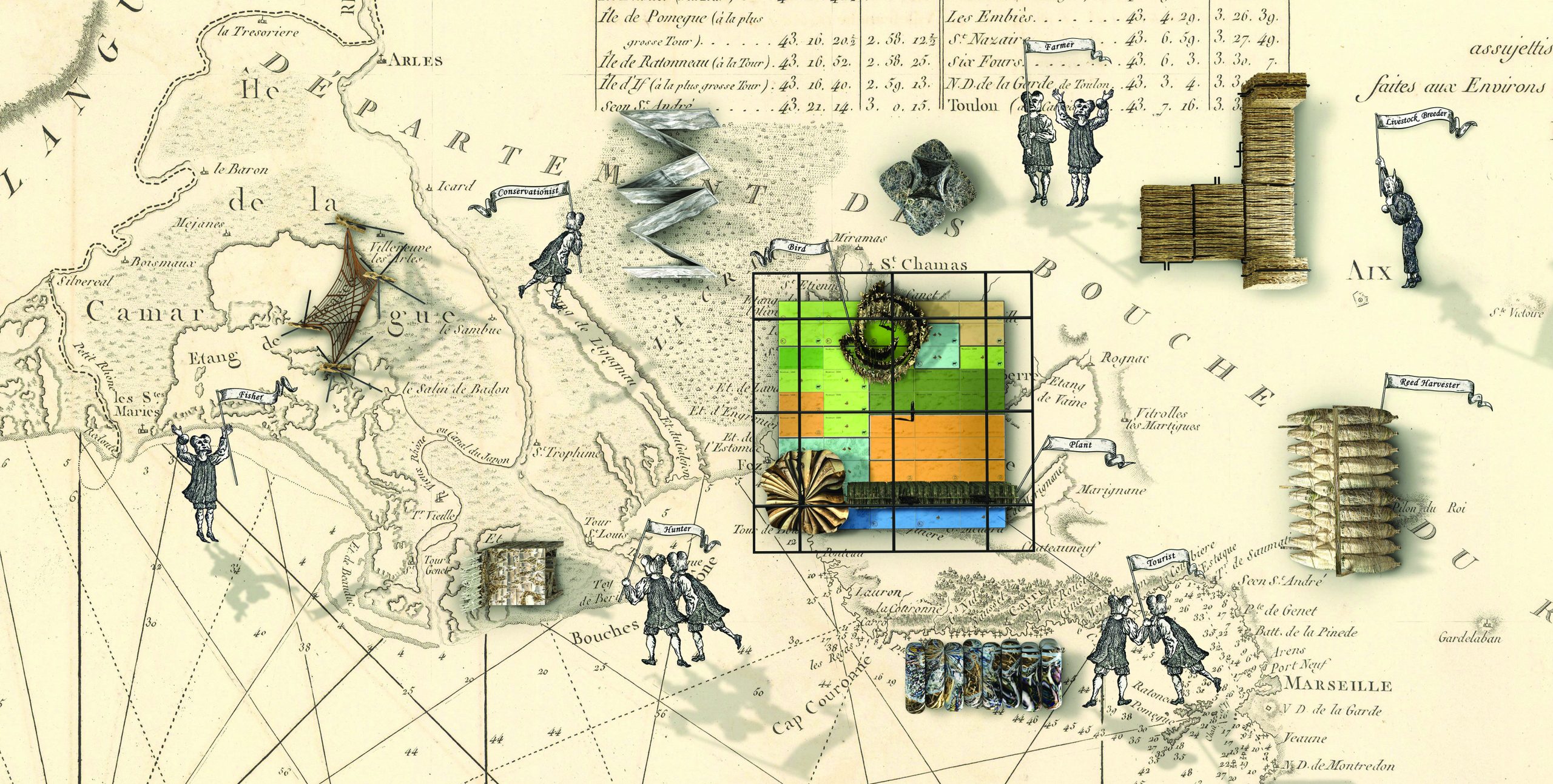
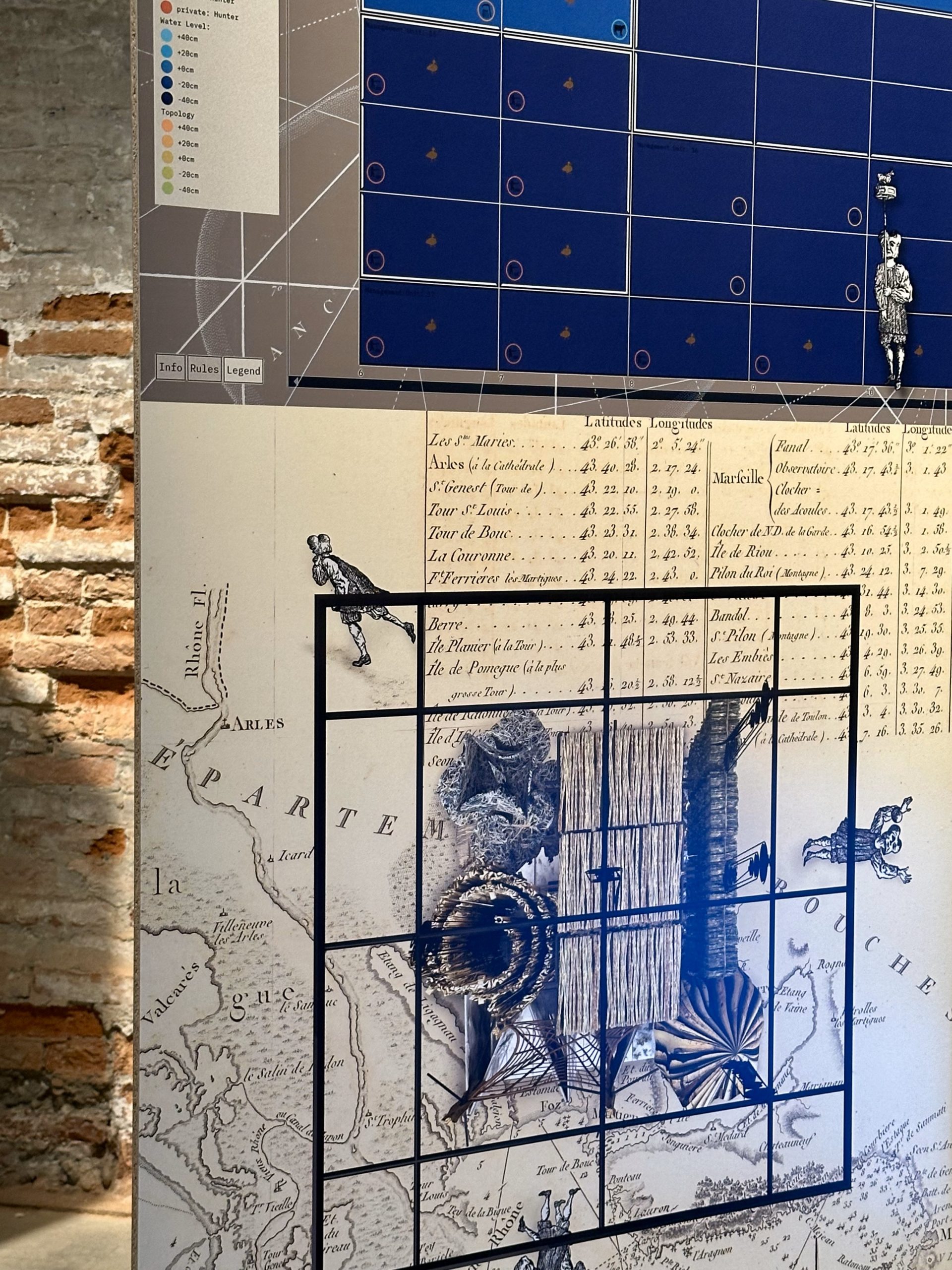
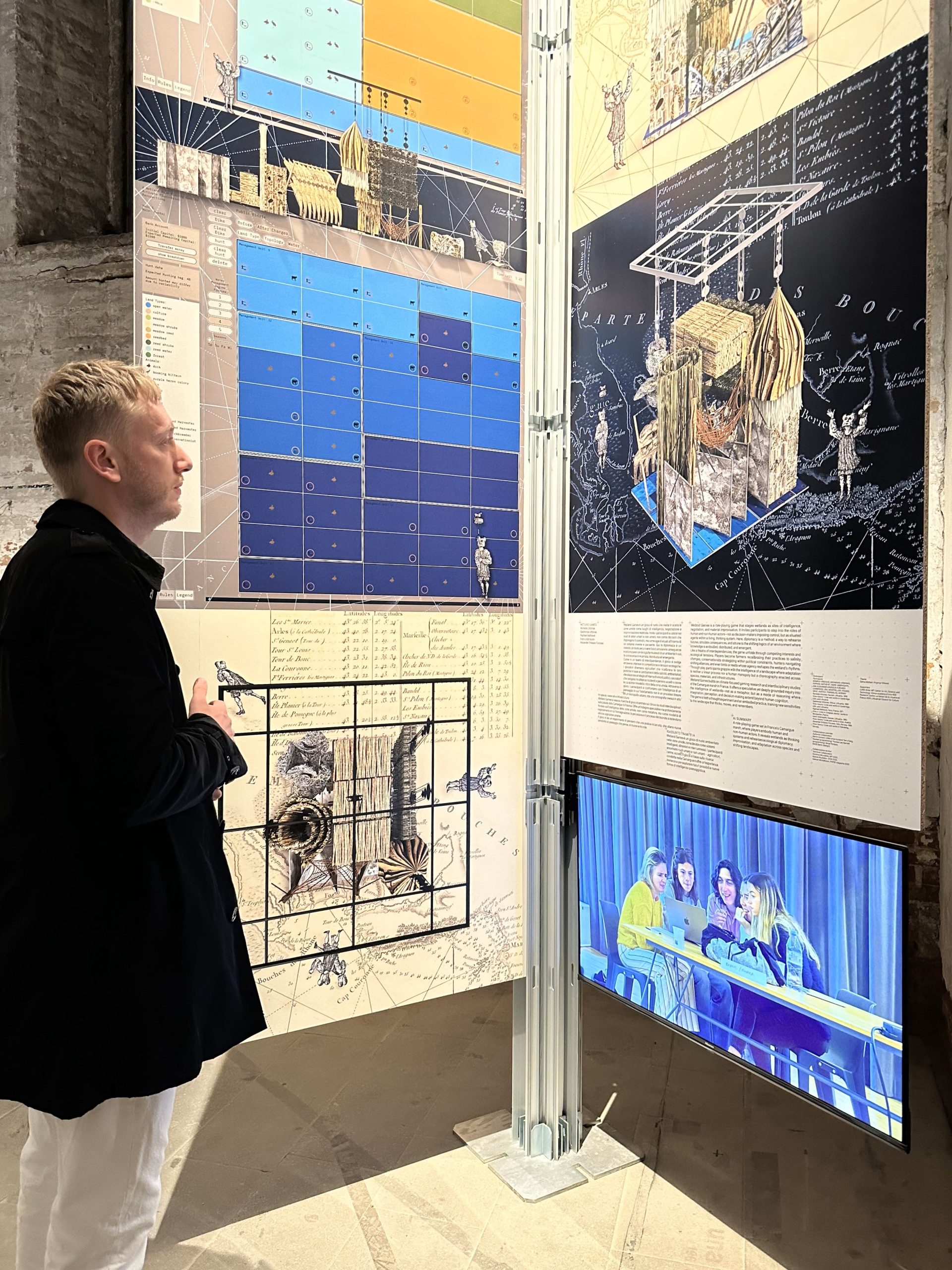
Wetland Games is a role-playing game that stages wetlands as sites of intelligence, negotiation, and material improvisation. It invites participants to step into the roles of human and non-human actors—not as decision-makers imposing control, but as situated agents within a living, thinking system. Here, diplomacy is a method: a way to rehearse futures, simulate consequences, and attune to the shifting logics of an environment where knowledge is embodied, distributed, and emergent.
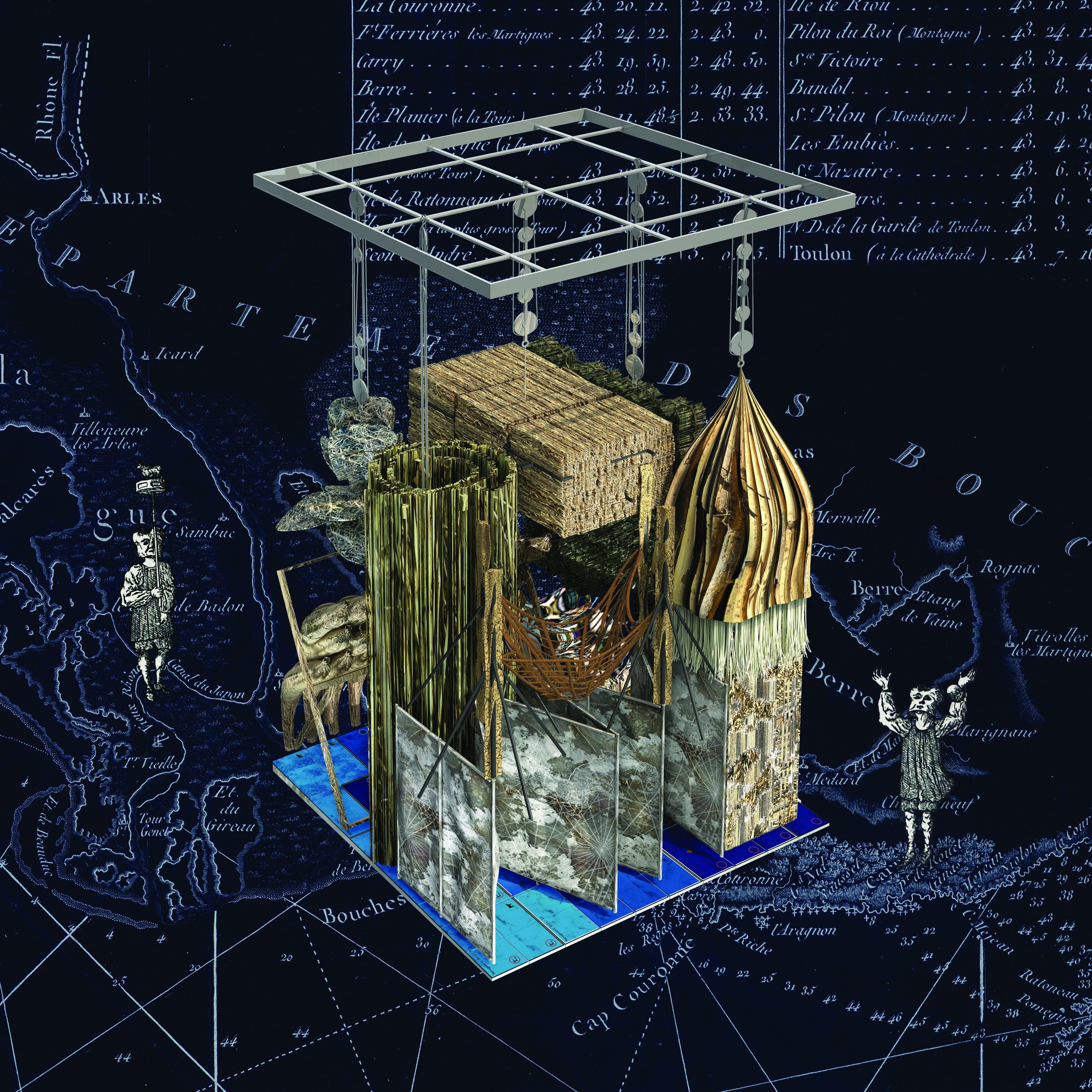
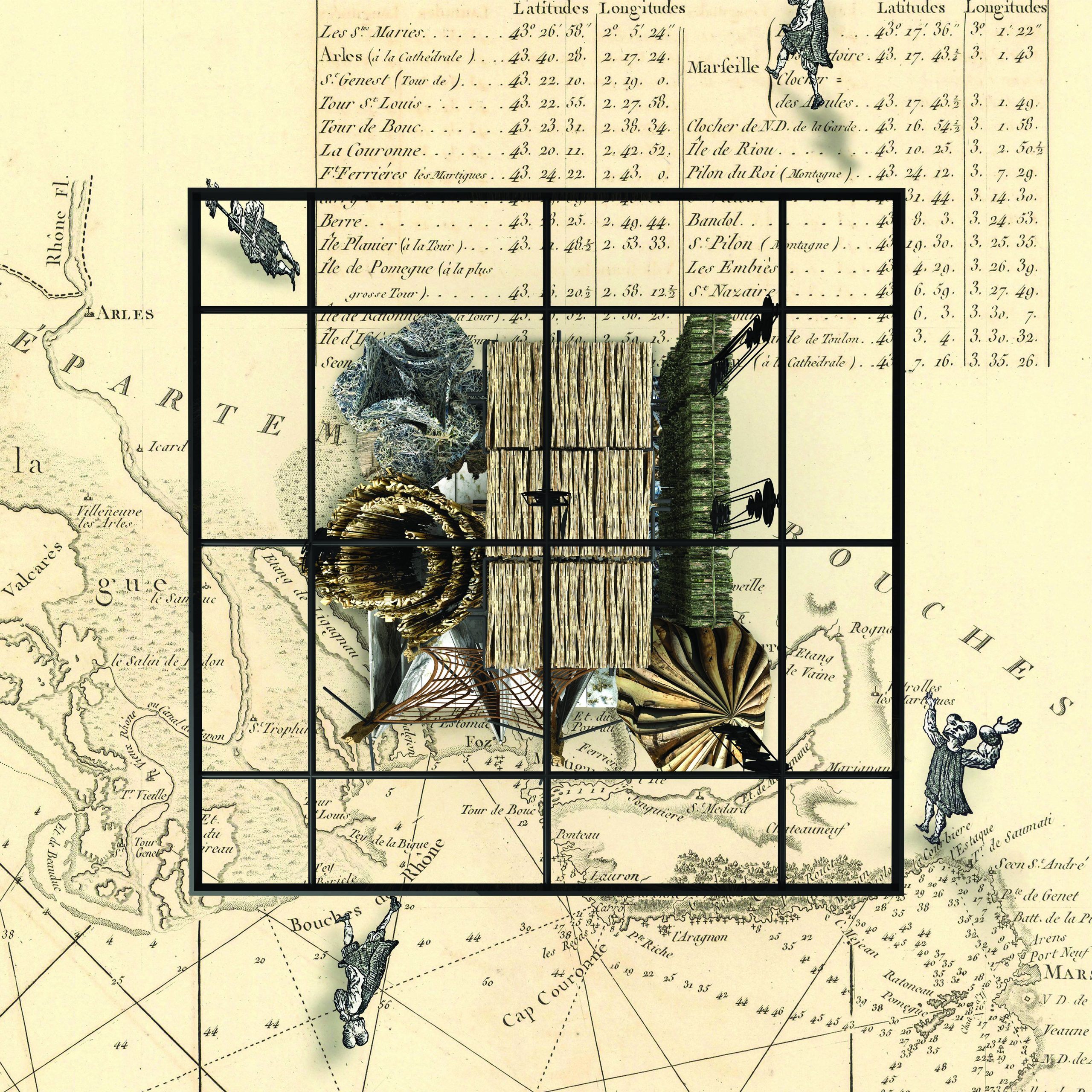
Like a theater of interdependencies, the game unfolds through competing interests and ecological tensions. Players become farmers recalibrating their practices to salinity changes, conservationists strategizing within political constraints, hunters navigating shifting alliances, and even birds or reeds whose agency reshapes the wetland’s rhythms. Through play, participants grapple with the intelligence of a landscape where adaptation is neither a linear process nor a human monopoly but a choreography enacted across species, materials, and infrastructures.
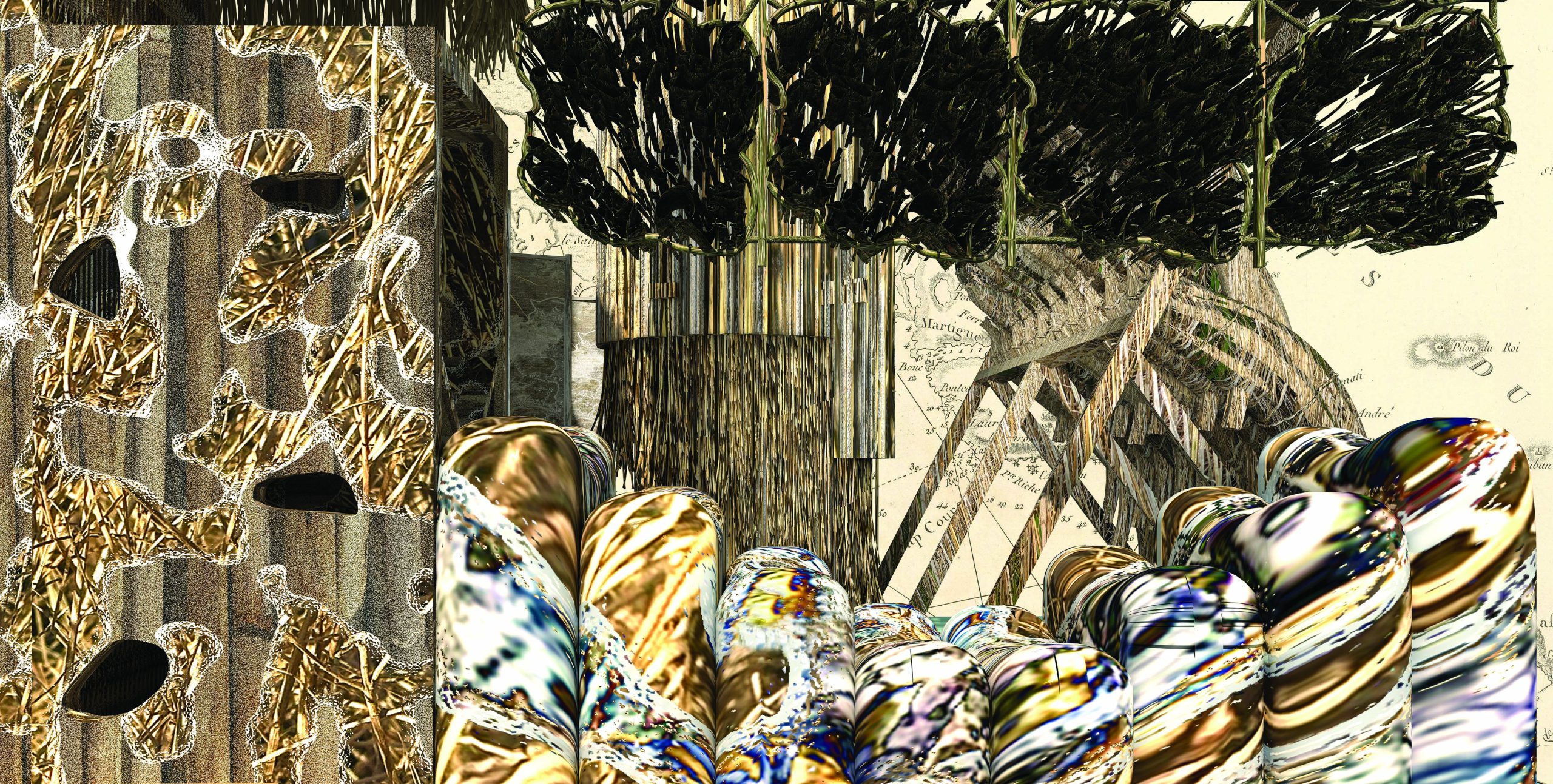
Developed through collaborations between scientists, artists, and designers, Wetland Games builds on climate-focused gaming research and interdisciplinary studies of the Camargue marsh in France. It offers a speculative yet deeply grounded inquiry into the intelligence of wetlands—not as a metaphor, but as a mode of reasoning where imagination, perception, and decision-making extend beyond human cognition.
The game is both a thought experiment and an embodied practice, training new sensitivities to the landscape that thinks, moves, and remembers.
More at http://wetland.games
Special thanks to Martin Guinard and Salma Mohtari, LUMA Arles, Matthieu Duperrex and architecture students, ENSA Marseille.
Supported by Lithuanian Council for Culture; LUMA Arles; MIT Center for Art, Science and Technology; Vilnius academy of Arts NEB Research Centre; La Saison de la Lituanie en France 2024


